

Reflexology - 60 Mins Session Gallery
$$MultiPurposeText$$
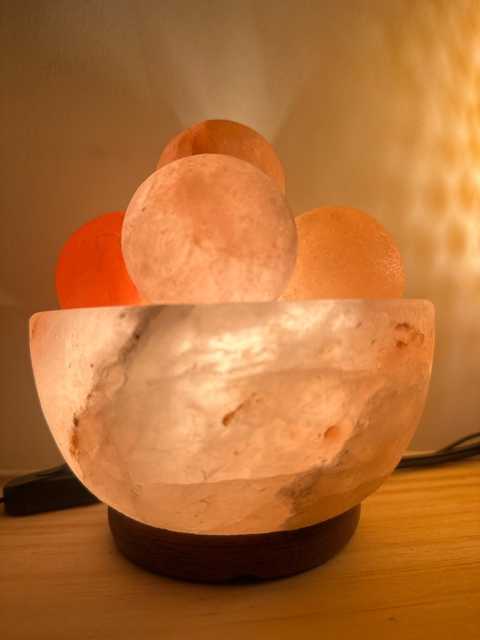
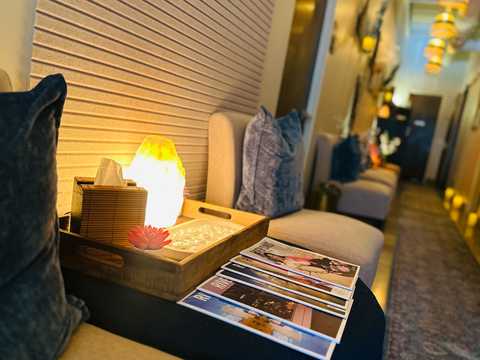
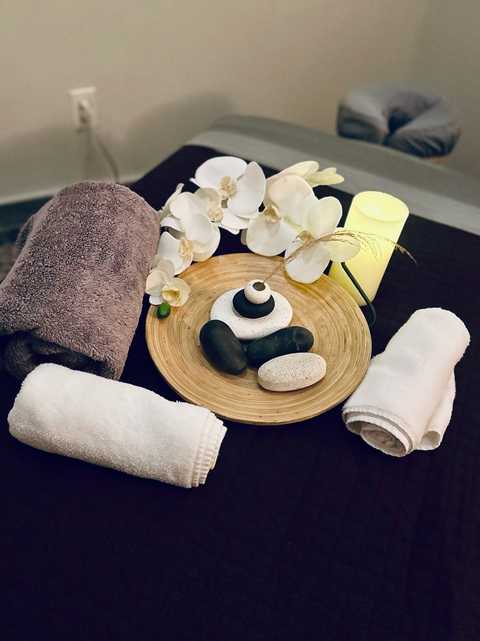
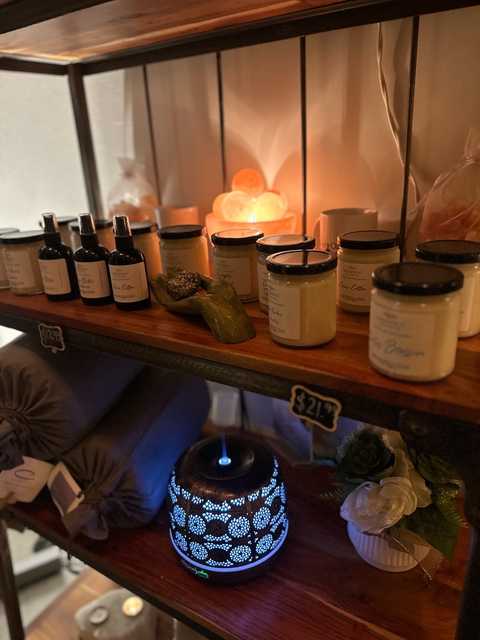
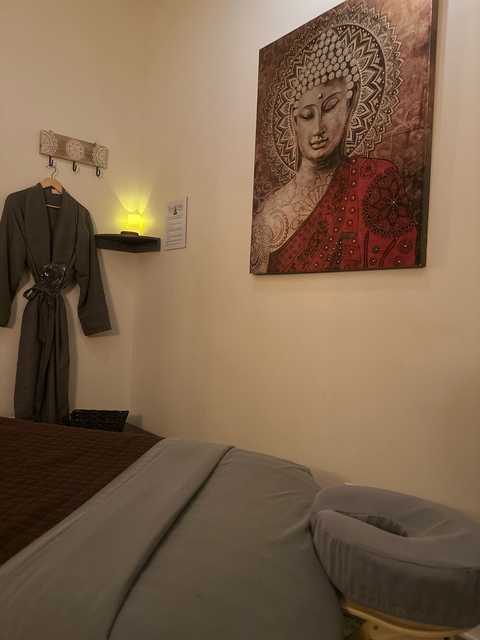
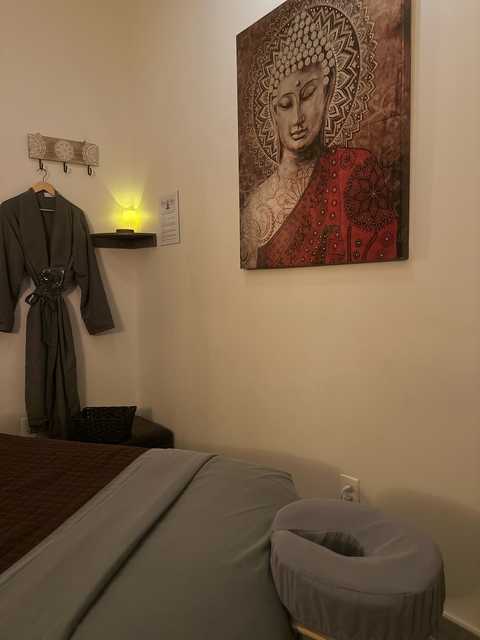
See examples of our Reflexology - 60 Mins Session work and results.




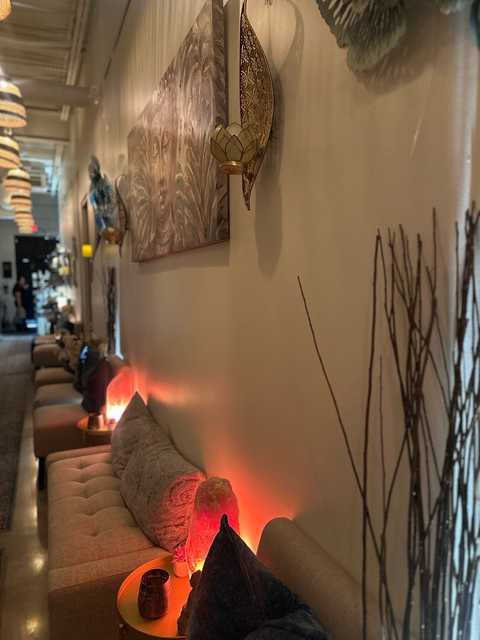
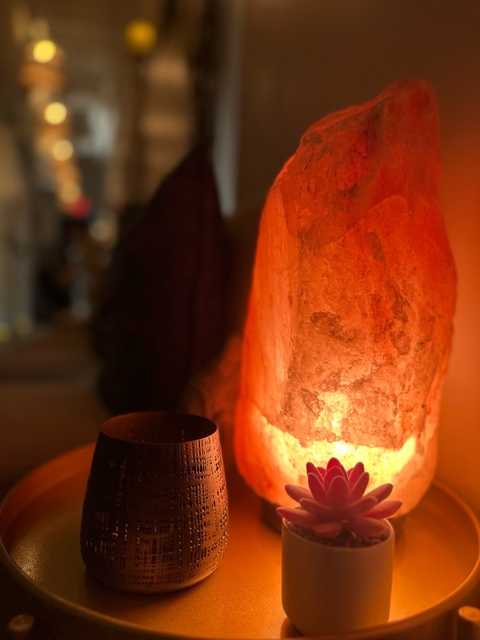
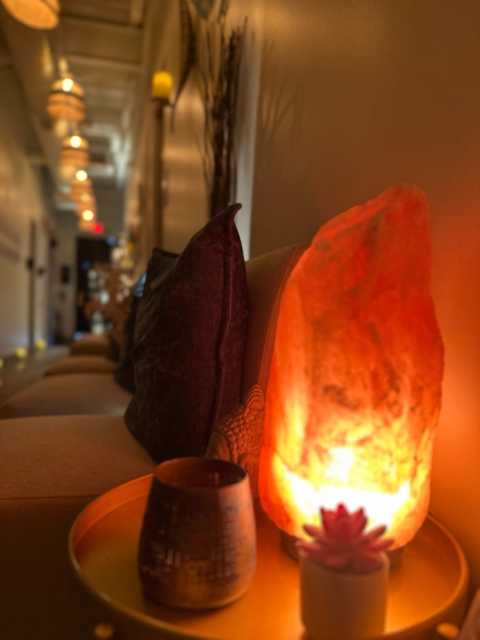
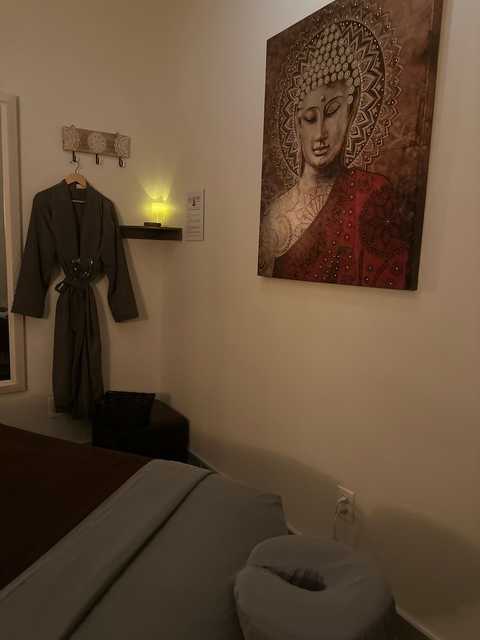
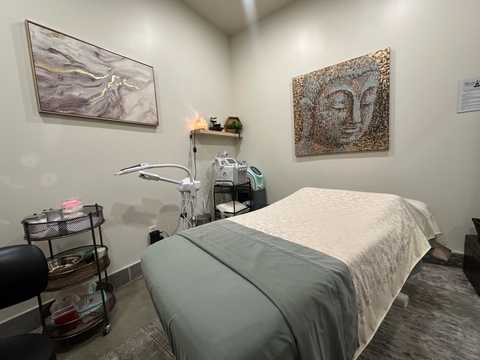

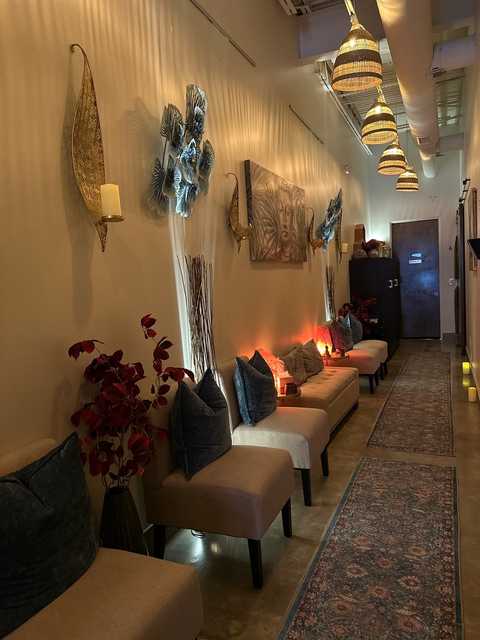
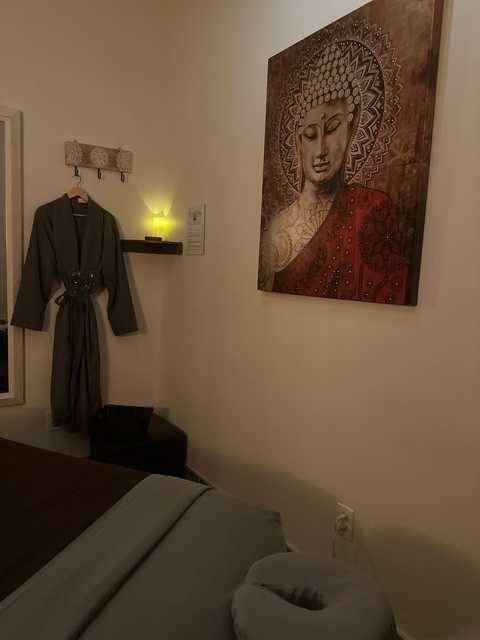
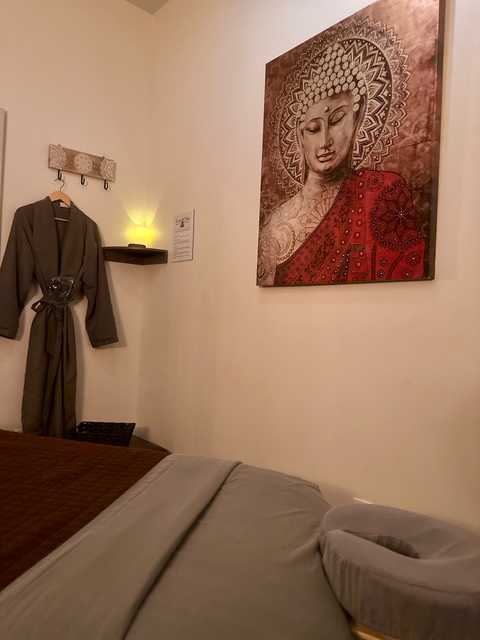
What Our Clients Say
$$MultiPurposeText$$
Read testimonials from our satisfied customers

I had a wonderful experience with Ricardo at River Oaks Advanced Bodywork for the Ultimate...more

Absolutely amazing experience! Alicia was incredibly professional, attentive, and made me ...more

I had a Swedish massage done with Yusmaida for 60 minutes. It was the best massage I’ve ha...more

Alicia did a great job with my hydration facial, my skin feels so soft and happy!

Found this place through ClassPass - I did the Hydration Facial with Carmen. It was incred...more

Ricardo is the best!

Frequently Asked Questions
Get answers to common questions about Reflexology - 60 Mins Session.
Your therapist will assess concerns, explain reflex maps, and apply targeted pressure to feet. The session includes relaxing techniques, varies pressure according to comfort, and may produce tingling or warmth. You'll leave deeply relaxed with clearer bodily awareness.
Most healthy adults can safely enjoy reflexology. Inform your therapist about pregnancy, circulatory issues, diabetes, recent surgeries, or active infections. Some conditions require medical approval or modified techniques to ensure safety and effectiveness.
Arrive hydrated and avoid heavy meals beforehand. Wear comfortable clothing and remove shoes and socks. Share medical history and current medications with your therapist so they can tailor pressure and avoid sensitive areas.
Frequency depends on goals: weekly sessions benefit acute stress or pain, while monthly maintenance supports long-term balance. Your therapist will recommend a personalized plan during consultation based on symptoms and response to treatment.
Reflexology may produce mild pressure or momentary discomfort on sensitive points, but it should not be painful. Communicate your comfort level; therapists adjust pressure. Many clients describe deep relaxation, decreased tension, and gentle after-session fatigue.
Yes. Reflexology is a supportive therapy that can enhance relaxation and symptom management alongside conventional care. Always inform both your physician and therapist about treatments and medications to coordinate safe, integrated care and avoid contraindications.